German Cities Crack Down on Alcohol at Train Stations—But Will It Work?
German cities are stepping up efforts to tackle alcohol-related problems at train stations. Berlin and Hamburg have introduced new restrictions, including bans and stricter monitoring. The measures aim to improve safety, but concerns remain about their broader impact. In April 2024, Hamburg became one of the first cities to ban alcohol at its train stations. Those caught drinking face fines of up to €200, with repeat offenders penalised more harshly. The city reported a 25% drop in violent crimes at stations in 2025, though other factors—like a weapons ban and increased police patrols—may have contributed.
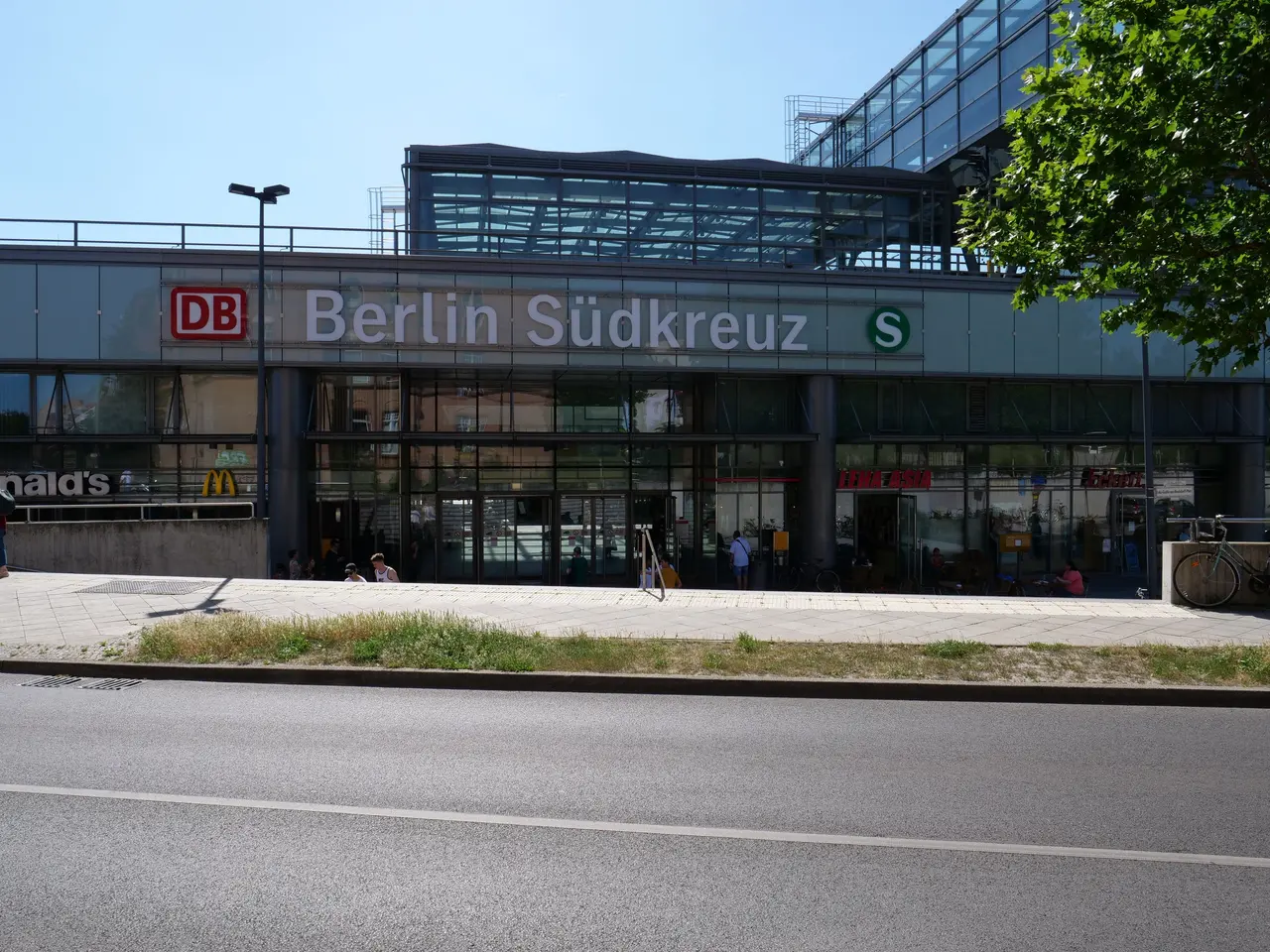
Berlin has taken a different approach. Deutsche Bahn and the BVG are focusing on 24/7 monitoring at key locations, including Ostbahnhof and Berlin Zoo stations. The move follows worrying statistics: in 2024, 577 violent incidents occurred on public transport, with nearly a quarter linked to alcohol or drug use. Charities like Berlin City Mission have backed the crackdown, citing frequent abuse against volunteers by intoxicated individuals.
Meanwhile, Bremen saw a slight decline in crime at its central station in 2025, with 2,500 offences recorded—100 fewer than the previous year. Hamburg’s transport association (HVV) has also rolled out similar restrictions, mirroring Berlin’s push for cleaner, safer stations.
Critics argue that alcohol bans alone won’t solve deeper issues. Homelessness, addiction, and systemic problems remain unaddressed. There are also concerns that heavier policing could disproportionately target marginalised groups, potentially worsening tensions and incidents of racist violence. The new measures have led to some reductions in crime, particularly in Hamburg and Bremen. However, questions persist about their long-term effectiveness and unintended consequences. Authorities continue to monitor the situation as the policies unfold.
Read also:
- American teenagers taking up farming roles previously filled by immigrants, a concept revisited from 1965's labor market shift.
- Weekly affairs in the German Federal Parliament (Bundestag)
- Landslide claims seven lives, injures six individuals while they work to restore a water channel in the northern region of Pakistan
- Escalating conflict in Sudan has prompted the United Nations to announce a critical gender crisis, highlighting the disproportionate impact of the ongoing violence on women and girls.