Merz admits Germany's coalition is failing as approval ratings plummet
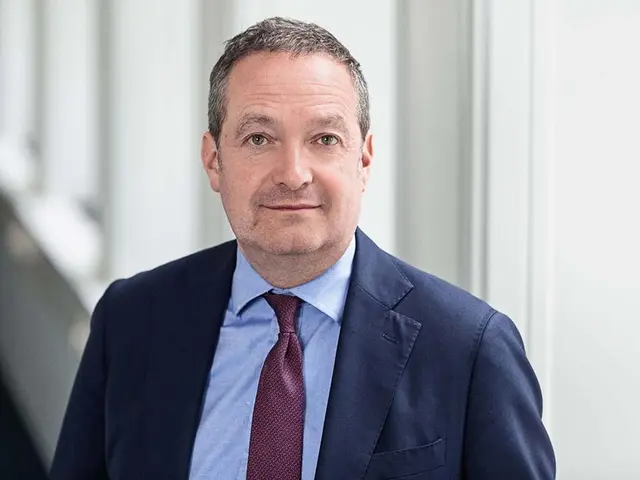
Chancellor Friedrich Merz has admitted that Germany’s black-red coalition is struggling to deliver results. With only 13% of citizens satisfied after one year in office, his own approval rating has fallen to just 16%. The government now faces pressure to push through major reforms before the summer break.
Merz recently addressed the German Trade Union Confederation (DGB) congress, calling for sweeping social reforms. His proposals, however, were met with boos and jeers from the audience. He later argued that Germany must increase annual working hours to safeguard prosperity, a suggestion that drew further criticism.
At a panel discussion during German Catholics’ Day in Würzburg, climate activists interrupted Merz’s speech. The disruption came as he engaged with Lisa Quarch, spiritual leader of the Federation of German Catholic Youth (*BDKJ*), and Amy Kirchhoff, secretary-general of the Federal Student Conference. Quarch noted that Merz’s messages were failing to resonate with young people. The chancellor acknowledged the coalition’s internal disputes, stating that ministers were arguing too much and achieving too little. Despite the setbacks, he pledged to improve communication and win public support for the government’s agenda. A key reform package—covering taxation, labour market policy, pensions, and cutting bureaucracy—is now set to be finalised before the summer recess.
The government’s reform plans must be approved soon if it hopes to regain public trust. With dissatisfaction high and Merz’s popularity declining, the coming weeks will be critical. Success or failure of the proposed changes could shape Germany’s political landscape for months ahead.
Read also:
- American teenagers taking up farming roles previously filled by immigrants, a concept revisited from 1965's labor market shift.
- Weekly affairs in the German Federal Parliament (Bundestag)
- Landslide claims seven lives, injures six individuals while they work to restore a water channel in the northern region of Pakistan
- Escalating conflict in Sudan has prompted the United Nations to announce a critical gender crisis, highlighting the disproportionate impact of the ongoing violence on women and girls.