Self-taught founder's AI robots land spot in Y Combinator's 2026 cohort
This essay is based on a conversation with Oscar Brisset, 25, a French-Australian entrepreneur based in San Francisco. He is the co-founder of Remy AI, a warehouse robotics company. Our website has verified his prior employment and funding details. This article has been edited for length and clarity.
In 2024, I used 18 of my 25 allotted vacation days at BCG to stay home and teach myself how to code. I wanted to build the skills to eventually start my own company.
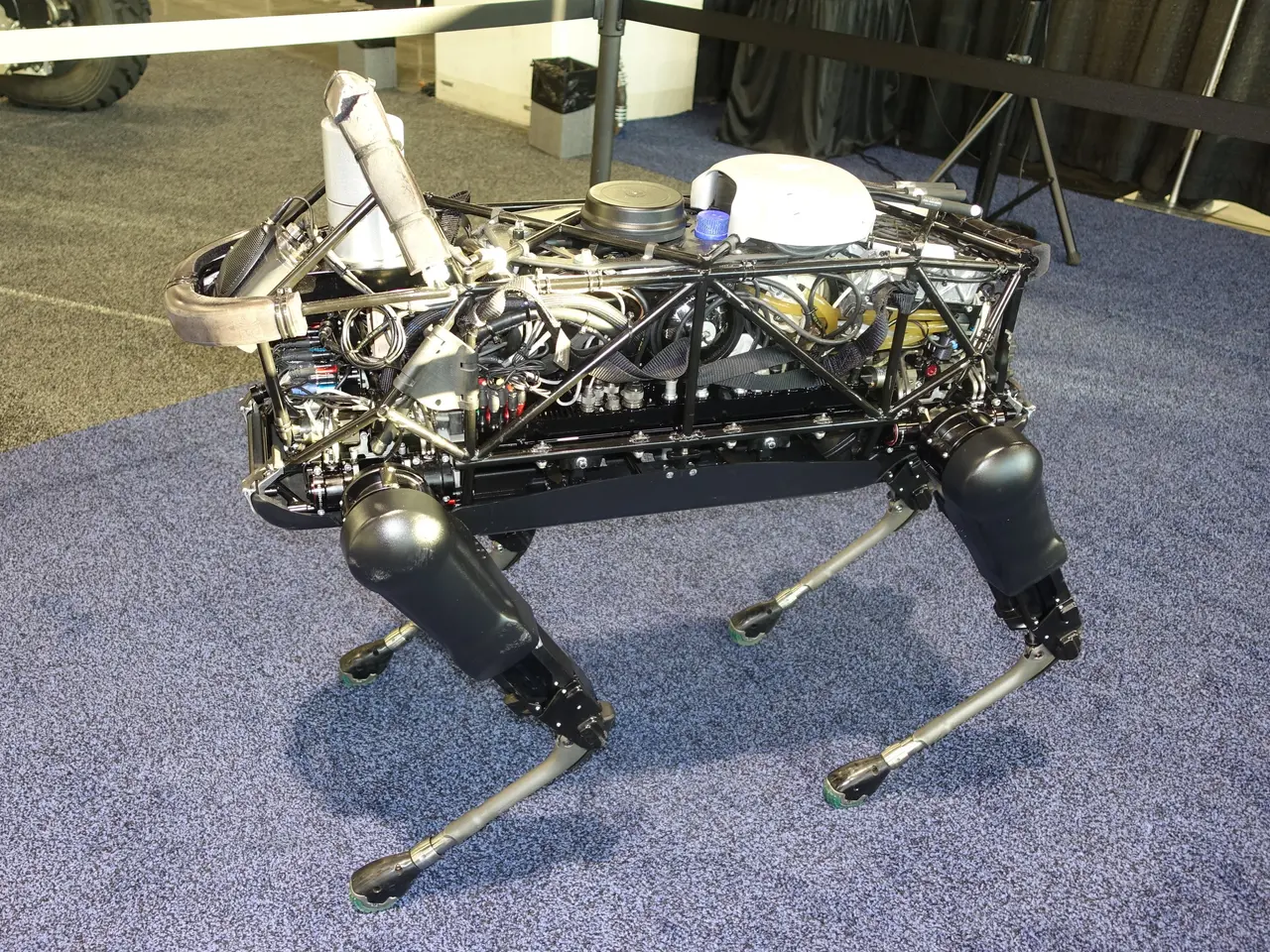
By November 2025, I had quit my job at BCG after launching a robotics startup. Since then, we've raised over $650,000 for Remy AI, which builds AI-powered robots for e-commerce warehouses.
Here's how I did it:
I Wanted to Be a Diplomat—Until I Discovered AI
I was a student at the University of Oxford when GPT-3 was released, and I was completely captivated. I knew it would change the world.
I graduated from Oxford in 2022 and took a gap year, knowing I eventually wanted to launch a tech startup. In the meantime, consulting seemed like a good way to learn about different industries.
In September 2023, I joined BCG's private equity team. I often worked until midnight, leaving little time for anything else during the week. On weekends, I taught myself programming by engaging with Claude and ChatGPT, asking them to guide me with Socratic questions rather than giving me direct answers.
YouTube helped me discover new tools and frameworks, and I used a textbook to grasp the underlying theory.
I Wanted to Build Something Myself
After about a year and a half at BCG, I transitioned into an AI engineering role. One weekend in May, I hit a breaking point. I barely slept or ate, lying in bed trying to figure out what to do with my life.
That summer, my co-founder Ben Kaye and I came up with the idea for Remy AI.
While most existing warehouse robots require pre-programming for every object they handle, we developed a model at Remy AI that allows them to adapt spontaneously to changing conditions. We're bringing AI into the physical world, with a focus on warehouses and logistics.
By July, I shifted my focus from learning to code to selling our vision. I spent my weekends reaching out to people on LinkedIn.
In October, we flew to San Francisco to raise funding. I networked relentlessly, pitched our project to investors, and applied to Y Combinator.
We got the call—we'd been accepted into the Winter 2026 batch. YC invests $500,000 in each startup, and we'd also secured additional funding, meaning I could focus full-time on building the company.
With the startup gaining traction, I decided in November to leave BCG.
My biggest piece of advice for others with a similar background? Don't be afraid to teach yourself technical skills.
Many people hear "software development" or "programming" and assume it's not for them or that it's too hard. But with the rise of LLMs and tools like Claude, that's changed. LLMs can teach you a lot and quickly bring you to a solid level. You just have to be willing to dive in headfirst.
Read also:
- Federal Funding Supports Increase in Family Medicine Residency Program, Focusing on Rural Health Developments
- Potential Role of DHA in Shielding the Brain from Saturated Fats?
- Alternative Gentle Retinoid: Exploring Bakuchiol Salicylate for Sensitive Skin
- Hanoi initiates a trial program for rabies control, along with efforts to facilitate the transition from the dog and cat meat trade industry.