SPD's Feldmann quits over party's broken promises and power struggles
Shock Resignation in Koblenz SPD: Dennis Feldmann Steps Down from Key Roles
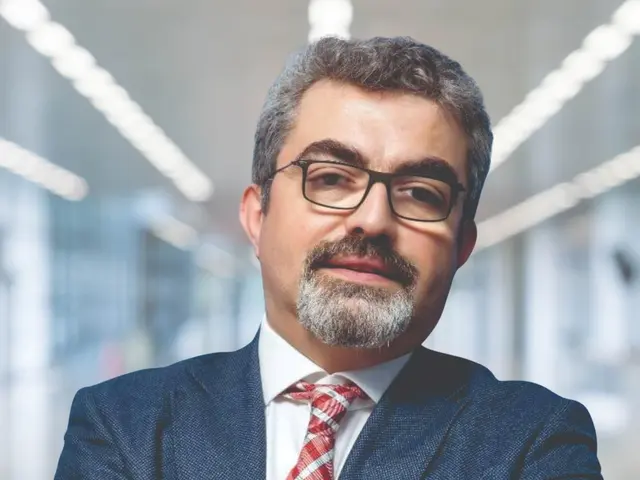
Dennis Feldmann has announced his resignation from two major positions within Koblenz's SPD, sending shockwaves through the local party. In a written statement, the politician revealed he will step down from the executive board of the SPD's Koblenz city association at the end of May 2026 and also resign as chair of the Koblenz-Lützel branch. He described his decision as the consequence of a prolonged development.
Feldmann sharply criticized the party's internal structures, which he argues increasingly diverge from the core principles of social democracy: "Advancement through merit, fair opportunities, solidarity, respect, and genuine participation." He stressed that his move was neither impulsive nor driven by personal disappointment over individual election results.
Instead, his critique targets a political culture where renewal is invoked in rhetoric but existing power structures are preserved. He claimed that personnel decisions often appear prearranged behind the scenes. "Elections matter. But real choice requires meaningful alternatives," Feldmann wrote.
Criticism of New Party Leader
Feldmann cited the recent city association conference as a case in point, where federal lawmaker Dr. Thorsten Rudolph was elected as the new chair. While Feldmann said he respects the outcome, he views it as emblematic of a deeper issue: "Instead of broadening responsibility, power continues to be concentrated in key positions." A member of the Bundestag, he argued, should nurture talent rather than accumulate additional leadership roles.
He also took issue with the timing of Rudolph's election, which preceded critical policy debates—including a proposal to separate party offices from elected mandates. "The sequence spoke louder than any speech," his statement read. Feldmann questioned why Rudolph had previously stepped down from other roles after his election to the Bundestag, citing time constraints, yet now—with even greater responsibilities—was assuming another leadership position.
"Loyalty Rewarded Over Competence"
Feldmann condemned a party culture dominated by internal factionalism. "There's an old saying: friend, enemy, party comrade. What sounds exaggerated often describes real mechanisms," he wrote. Many dedicated members, he claimed, have withdrawn because they found that "loyalty is sometimes rewarded more than competence, and conformity often advances careers more than independence."
He recounted his own experience of being overlooked for a candidacy after signaling his willingness to run, only to be told the decision had already been made. While Feldmann reaffirmed his commitment to the SPD's core values, he explained his resignation by stating: "What I can no longer support is a political culture marked by resistance to change, symbolic gestures, self-serving governance, and opaque decision-making." He vowed, however, to continue his engagement for Koblenz.
Read also:
- American teenagers taking up farming roles previously filled by immigrants, a concept revisited from 1965's labor market shift.
- Weekly affairs in the German Federal Parliament (Bundestag)
- Landslide claims seven lives, injures six individuals while they work to restore a water channel in the northern region of Pakistan
- Escalating conflict in Sudan has prompted the United Nations to announce a critical gender crisis, highlighting the disproportionate impact of the ongoing violence on women and girls.