US Justice Department Pushes Harsher Protester Charges Under Anti-Terrorism Rules
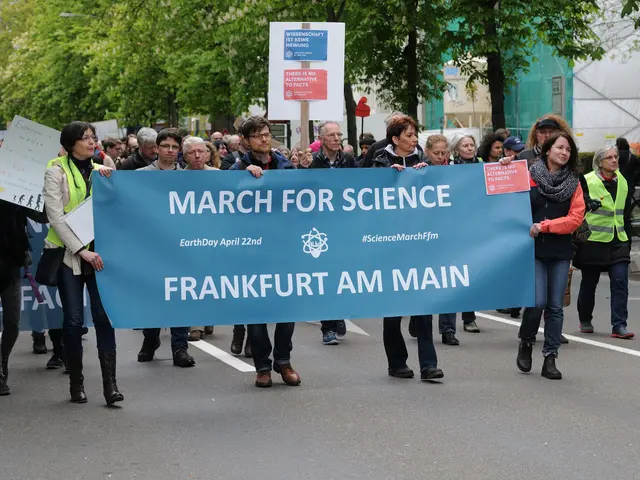
A senior US Justice Department official has urged prosecutors to pursue harsher charges against protesters under expanded anti-terrorism rules. Aakash Singh, a high-ranking official, directed attorneys to use National Security Presidential Memorandum 7 (NSPM-7) in cases involving demonstrations. The move comes as federal efforts to link activists to terrorism have faced repeated setbacks in court.
Under NSPM-7, even minor offences—such as doxxing government agents or blocking immigration enforcement—can now be treated as domestic terrorism. Yet despite aggressive prosecution tactics, no convictions for terrorism-related crimes have been secured against protesters accused of ties to left-wing groups like Antifa.
The Trump administration has long framed protesters as left-wing extremists, though investigations have failed to uncover large-scale, organised networks. In Chicago, prosecutors recently abandoned charges against two demonstrators after video evidence showed an ICE agent driving into a crowd. The same case now relies on a 'spontaneous conspiracy' argument, which defence lawyers have called weak and unsubstantiated.
Federal agents have employed sweeping surveillance methods to target activists. These include seizing phones without warrants, collecting saliva samples, deploying licence plate readers, and using facial recognition technology. Despite such measures, conspiracy cases against alleged left-wing agitators have largely collapsed. In Texas, five cooperating witnesses testified that neither they nor the defendants had any connection to Antifa. Singh, however, has pressed prosecutors to push for high-profile indictments and coordinate media coverage. His instructions emphasised securing publicity alongside legal action, raising concerns about the politicisation of prosecutions. To date, no individual charged with Antifa-related offences or protest crimes against immigration agencies has been convicted of terrorism. Court records show no successful prosecutions under the expanded definitions, leaving critics to question the legal basis for such aggressive tactics.
The Justice Department's push to classify protesters as domestic terrorists has so far yielded no convictions. Federal cases continue to rely on controversial surveillance methods and unproven conspiracy theories. Without evidence of organised extremist networks, the legal strategy faces growing scrutiny from defence teams and legal observers.
Read also:
- American teenagers taking up farming roles previously filled by immigrants, a concept revisited from 1965's labor market shift.
- Weekly affairs in the German Federal Parliament (Bundestag)
- Landslide claims seven lives, injures six individuals while they work to restore a water channel in the northern region of Pakistan
- Escalating conflict in Sudan has prompted the United Nations to announce a critical gender crisis, highlighting the disproportionate impact of the ongoing violence on women and girls.