Germany's Mother's Day 2026: No Holiday, Just Heartfelt Celebrations
Mother's Day: A Moving Date That Raises Questions Every Year
Mother's Day is one of those annual events that never fails to cause confusion. No fixed date, always a Sunday—yet just before it arrives, people inevitably ask: When exactly is Mother's Day this year? For employees in particular, it's worth taking a closer look, as the holiday can also affect the workweek. Since Mother's Day always falls on a Sunday, many workers face the same question: Do I automatically get the day off?
When Is Mother's Day 2026?
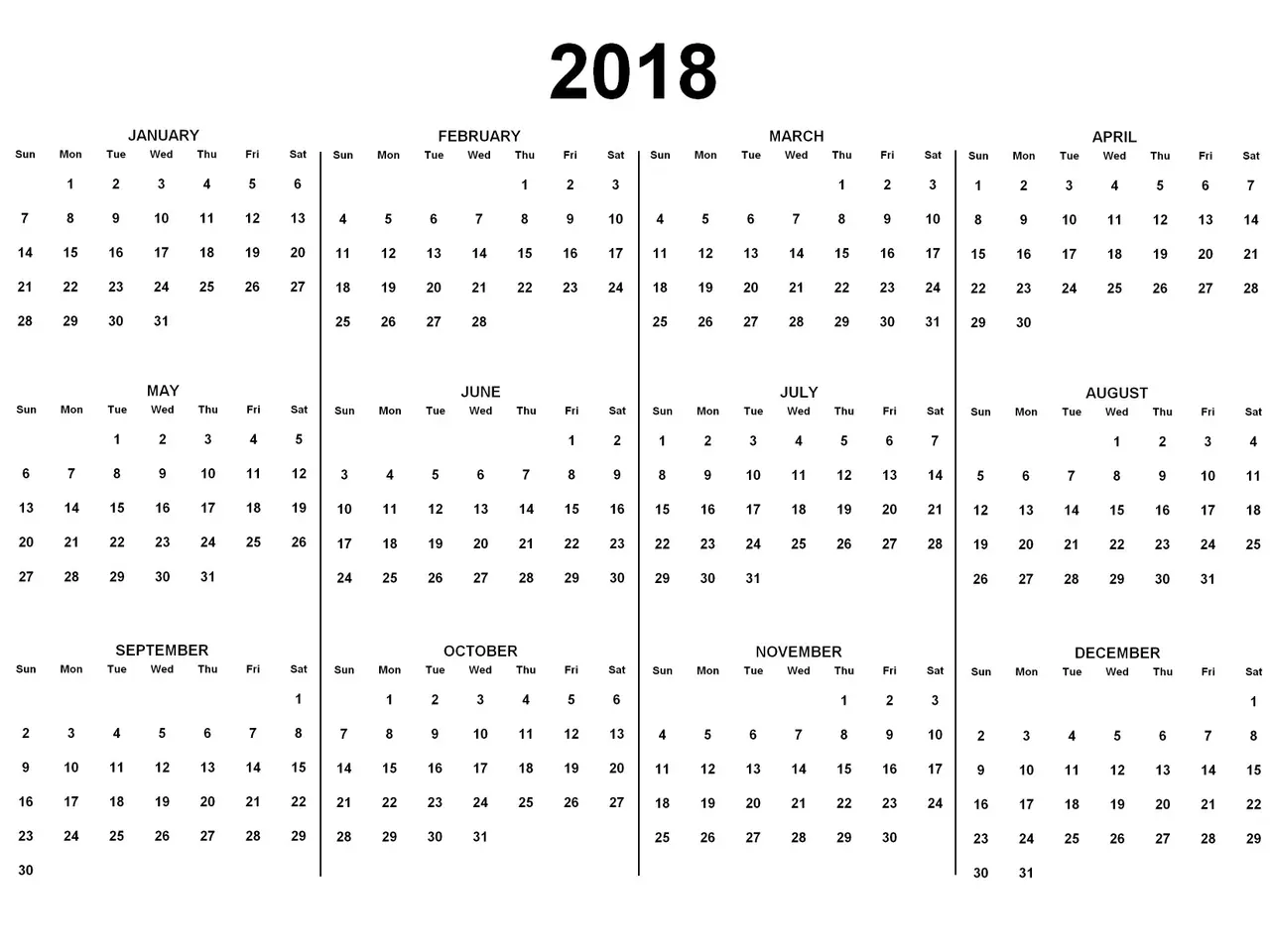
Mother's Day is celebrated every year on the second Sunday in May, meaning the date shifts annually. In 2026, Mother's Day falls on Sunday, May 10.
The calculation is straightforward: Take the first Sunday in May and add one week. This ensures Mother's Day always lands on a weekend—specifically, a Sunday.
Why Is Mother's Day Always on a Sunday?
The fact that Mother's Day falls on a Sunday is no coincidence. When it was first introduced in the U.S., a day was deliberately chosen when as many people as possible would already have time off to spend with family. This tradition has endured—though in practice, not all employees benefit from it.
How Long Has Mother's Day Existed?
The modern Mother's Day as we know it originated in the early 20th century in the United States. It was officially established as a national holiday there in 1914. Germany adopted the tradition shortly afterward, particularly in the 1920s. Since then, it has become a fixed part of the annual calendar, though its social significance has evolved over time.
The Origins of Mother's Day as a Holiday
Mother's Day traces its roots to an initiative by American activist Anna Jarvis. Her goal was to create a day dedicated to honoring and appreciating mothers. What began as a personal mission quickly grew into an established occasion—and later, a commercially driven event, marked by traditions like giving flowers and gifts.
Mother's Day 2026: Is May 10 a Public Holiday?
Even though Mother's Day always falls on a Sunday, it is not a statutory public holiday in Germany. This means: - There is no automatic right to time off—employees who normally work on Sundays must still report for duty. - It does not entitle workers to an extra day of leave or special paid time off. German labor law does not provide for paid leave on personal observances like Mother's Day or Father's Day. - Exceptions may apply only if collective bargaining agreements, individual contracts, or company policies grant special provisions.
Are There Differences Between German States?
No. Since Mother's Day is not a public holiday, there are no regional variations—the date is the same nationwide, as are the labor law implications.
Working on Mother's Day: What Are Employees' Rights on May 10?
Because Mother's Day always falls on a Sunday, the standard Sunday work regulations apply: - Many industries have a ban on Sunday work, unless exceptions are permitted (e.g., healthcare, hospitality, or shift-based roles). - Employees who work on Mother's Day may be entitled to compensatory rest days, depending on their collective bargaining agreement. - There is no legal premium pay specifically for Mother's Day, though some employers or union contracts may offer bonuses.
Schools, Daycare Centers, and Government Offices on Mother's Day 2026
For schools, daycare centers, and public offices: - No special rules apply. Since Mother's Day falls on a Sunday, most institutions are closed anyway. - In practice, activities like craft sessions or small celebrations often take place on the Friday before, without affecting official operating hours.
Between Appreciation and Workplace Reality: Mother's Day as a Holiday
Socially, Mother's Day symbolizes recognition and family time. Yet in the workplace, the reality is different: For many employees, it's just another working Sunday. Whether they can still spend time with family depends less on the law than on company culture. Flexible scheduling or shift swaps may help—but there's no legal entitlement to them.
Mother's Day in Austria and Switzerland
Mother's Day is also celebrated on the second Sunday in May in Austria and Switzerland. However, it is not an official public holiday there either, and Sunday work regulations are similar to those in Germany.
Public Holidays in May 2026
- Labor Day
- Liberation Day
- Ascension Day
- Whit Monday
For more details, see our article on the topic:
Mother's Day Holiday FAQ
When is Mother's Day in 2026?
Sunday, May 10, 2026.
Why doesn't Mother's Day have a fixed date?
Because it is always celebrated on the second Sunday in May.
Is Mother's Day a public holiday?
No, not in Germany, Austria, or Switzerland.
Why is Mother's Day always on a Sunday?
So that as many people as possible have time for family—at least in theory.
Do I have to work on Mother's Day?
Yes, if your employment contract requires you to work on Sundays.
Is there special leave for Mother's Day?
No, there is no legal basis for it.
Do I get extra pay for working on Mother's Day?
Only if standard Sunday premiums or collective bargaining agreements apply.
Are shops open on Mother's Day?
This depends on general Sunday trading rules, not on Mother's Day itself.
Read also:
- American teenagers taking up farming roles previously filled by immigrants, a concept revisited from 1965's labor market shift.
- Weekly affairs in the German Federal Parliament (Bundestag)
- Landslide claims seven lives, injures six individuals while they work to restore a water channel in the northern region of Pakistan
- Escalating conflict in Sudan has prompted the United Nations to announce a critical gender crisis, highlighting the disproportionate impact of the ongoing violence on women and girls.