How Russian folklore reveals humanity's deepest fears and hopes
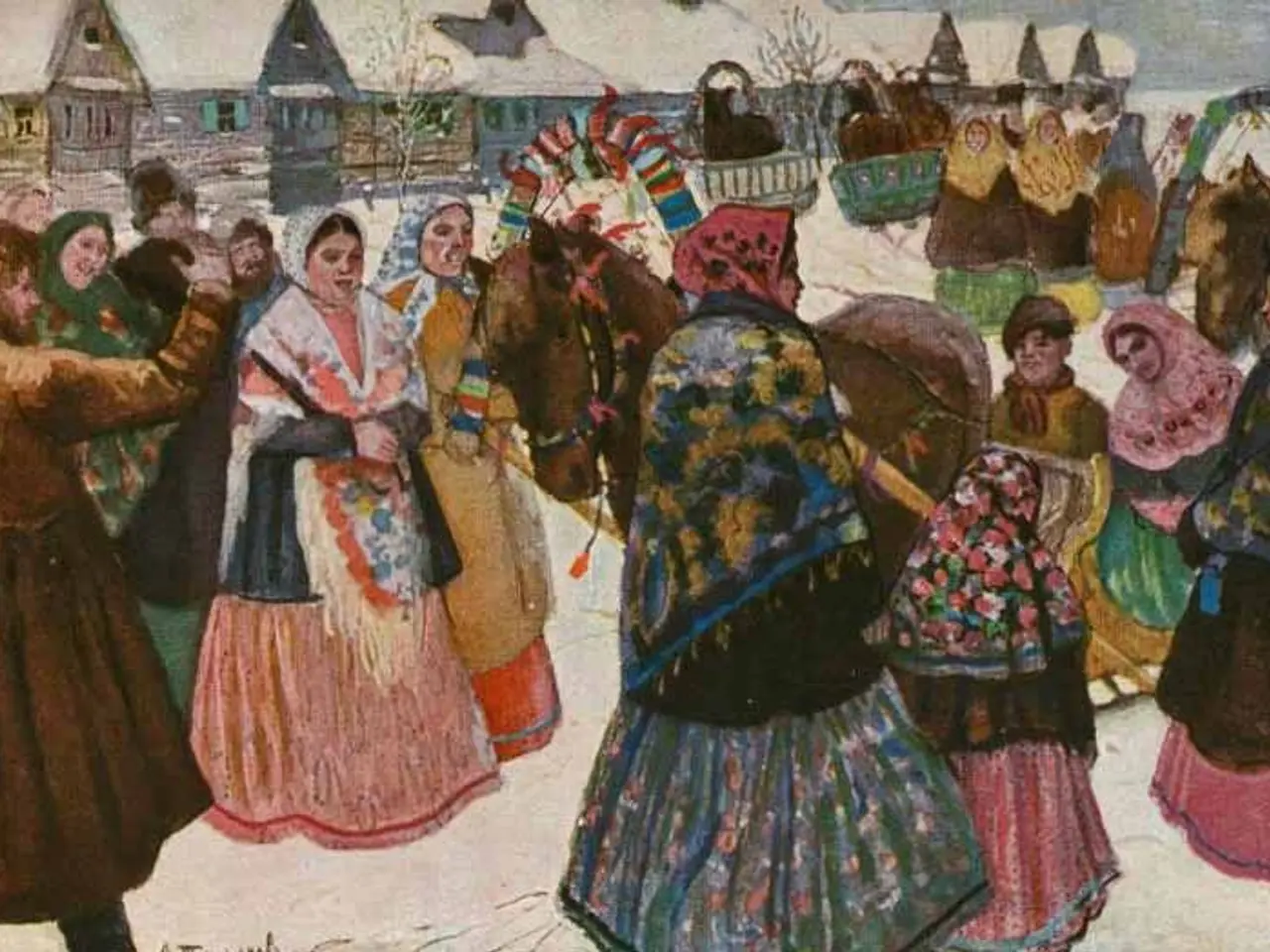
Russian folklore stands out as one of Europe’s most vivid and intricate traditions. Collected largely by Alexander Afanasyev, over 600 fairy tales reveal a world of deep symbolism and moral complexity. These stories do more than entertain—they explore humanity, mortality, and the struggles of navigating an unpredictable world. The roots of Russian legends stretch across centuries, blending ancient Slavic paganism with Byzantine Christianity. Mongolian influences and the harsh realities of peasant life also shaped these tales. Forests and winter appear repeatedly, mirroring the nation’s vast, unforgiving landscape.
Many characters defy simple labels. Baba Yaga, the iconic witch, shifts between menace and aid depending on the story. The youngest brother, often underestimated, frequently emerges as the hero—not through strength, but kindness and wit. This moral ambiguity and psychological depth set Russian folklore apart.
The tales have left a lasting mark on Russian culture. Composers like Stravinsky, Mussorgsky, and Rimsky-Korsakov drew inspiration from them, as did painter Viktor Vasnetsov. Their works brought these legends to wider audiences, embedding them in the national identity. Russian folklore offers more than just fantasy. It provides a lens to examine universal human experiences—fear, hope, and the search for meaning. Through its rich storytelling, the tradition continues to resonate far beyond its origins.
Read also:
- Federal Funding Supports Increase in Family Medicine Residency Program, Focusing on Rural Health Developments
- Potential Role of DHA in Shielding the Brain from Saturated Fats?
- Alternative Gentle Retinoid: Exploring Bakuchiol Salicylate for Sensitive Skin
- Hanoi initiates a trial program for rabies control, along with efforts to facilitate the transition from the dog and cat meat trade industry.