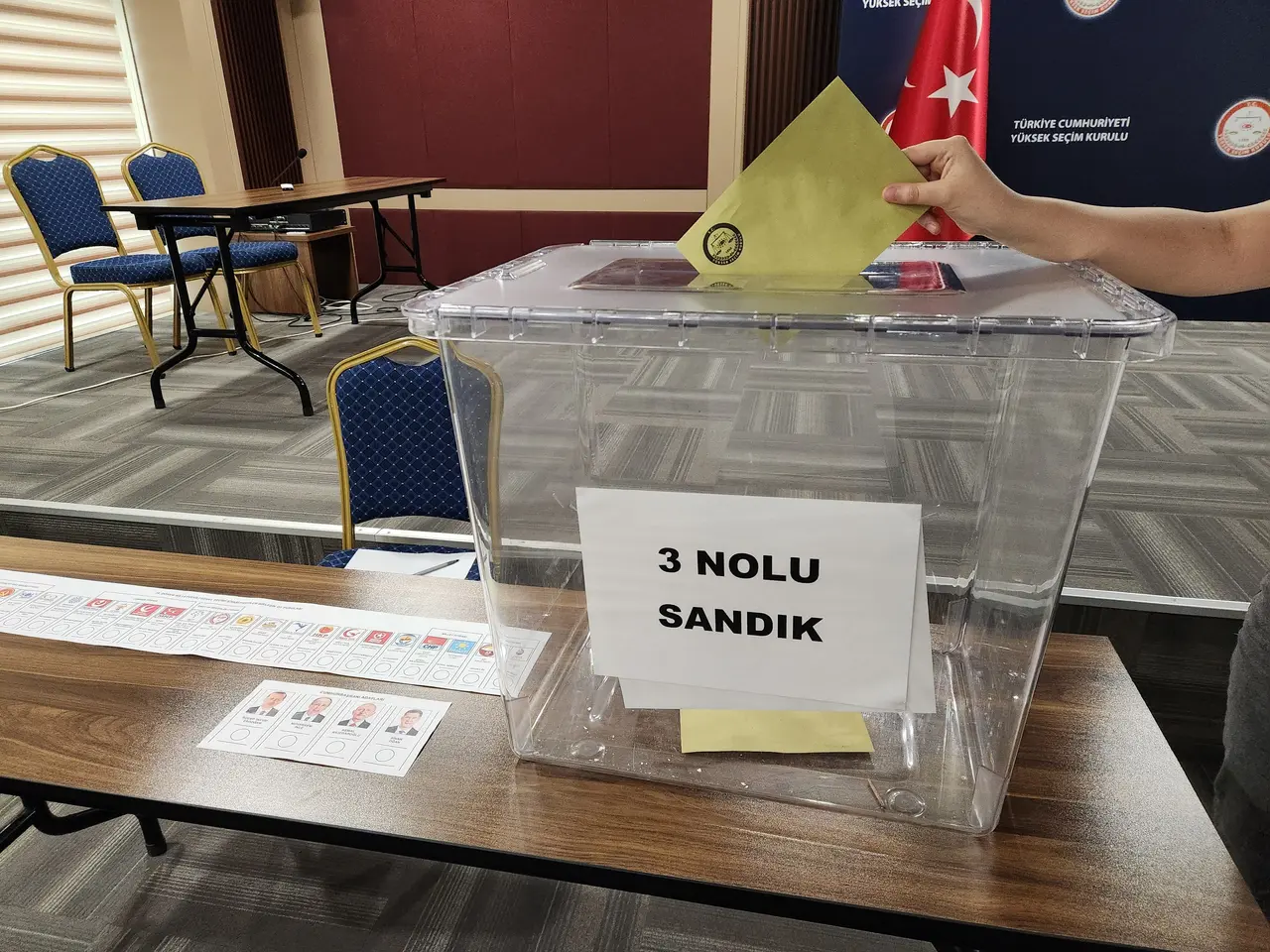
Landshut's March 8 election introduces flexible voting options for residents
Landshut Voters Can Test Their Ballot Choices Online Ahead of March 8 Election
On March 8, all eligible voters in Landshut will decide on the allocation of the city council's 44 seats as well as the election of the lord mayor. Before heading to the polls—or filling out their postal ballots—residents can now use an online practice ballot to test their choices. Postal voting documents have also begun arriving for those who requested them.
How to Cast Your Vote: Panachage, Cumulative Voting, and Party-List Options
Voters in the city council election have three ways to cast their ballots:
- Cumulative voting allows voters to give up to three votes to a single candidate.
- Panachage lets voters select candidates from different party lists, mixing choices across political groups.
- Voters may also opt for a straight party-list vote by marking the list itself, which automatically assigns one vote to each candidate in the order they appear. Individual names on the list can also be crossed out.
If a voter marks both a party list and individual candidates (with single or multiple votes), the individual votes are counted first. Any remaining votes are then distributed in order to the unmarked candidates on the chosen list. Alternatively, voters can distribute their votes freely—without selecting a list—among candidates from one or more lists.
Test Your Ballot Online Before the Real Vote
Will your ballot be valid? A digital practice ballot lets voters check their choices in advance to avoid errors. To prevent an invalid vote, residents can try marking their selections online first.
As a public service, the city has once again made a practice ballot available at www.ourwebsite/practiceballot. There, voters can select their preferred candidates or party list and immediately see whether their ballot is valid, how many votes they've already assigned directly, how many are allocated via the list, and how many remain. The tool also flags invalid votes and allows names to be crossed out.
This way, voters can carefully consider their decisions at home and then fill out their official ballot—whether by mail or at the polling station—with confidence.
Read also:
- American teenagers taking up farming roles previously filled by immigrants, a concept revisited from 1965's labor market shift.
- Weekly affairs in the German Federal Parliament (Bundestag)
- Landslide claims seven lives, injures six individuals while they work to restore a water channel in the northern region of Pakistan
- Escalating conflict in Sudan has prompted the United Nations to announce a critical gender crisis, highlighting the disproportionate impact of the ongoing violence on women and girls.