Interview: Knud Andresen
May Day in Hamburg: A Century of Protest, Unity and Shifting Traditions
our website: Mr. Andresen, will you be taking to the streets on May 1st?
Knud Andresen: Yes, I've been doing that for decades.
our website: Isn't the day now just a hollow ritual?
Knud Andresen: Debates about whether May 1st has become ritualized have probably existed since it was first observed in 1890. In West Germany, especially since the 1960s, there has been repeated discussion about whether the day needs to change or whether it's even still necessary. But we shouldn't forget that for a long time, May 1st was fiercely contested politically—particularly during the Weimar Republic. Many of the demands associated with it remain relevant today. It's also the only secular, non-religious holiday celebrated in many countries.
our website: You say it's interesting to look at the history of May 1st after 1945. Why?
Knud Andresen: Because the day serves as a kind of litmus test. What issues have concerned working-class activists over the decades? This also reveals something about the social composition of the labor movement and how it has changed. I've examined this specifically in Hamburg.
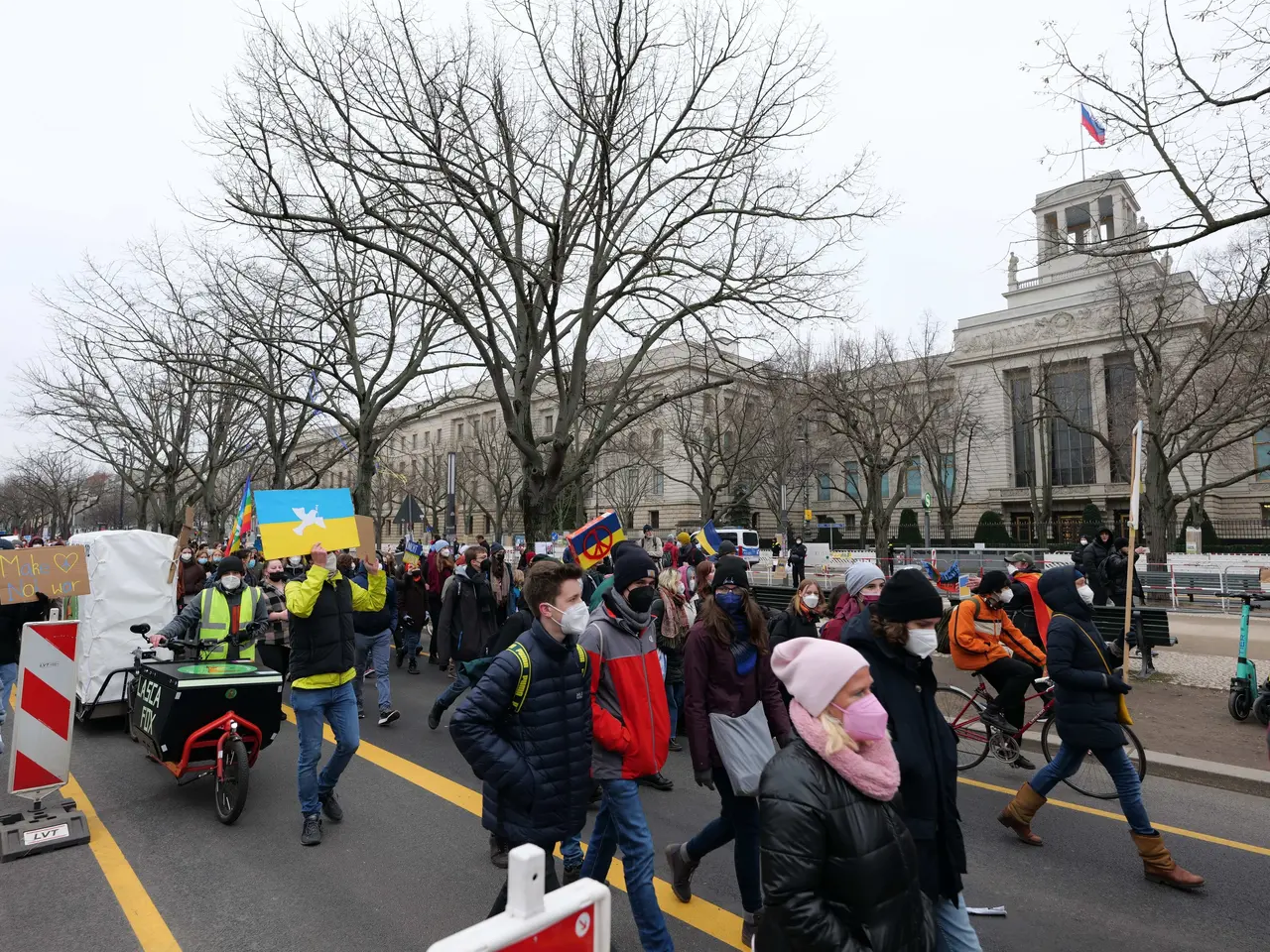
The first free May Day demonstration in 1946, held in Planten un Blomen park, drew 100,000 people. The main speech focused on the labor movement's condemnation of Nazism and commemorated the victims. By the 1950s, German reunification had become a major theme on May 1st. Back then, 100,000 people still marched in ten columns through Hamburg to the Stadtpark for a large rally. Entire workforces, well-organized through unions, would attend.
After 1960, attendance began to decline. This was tied to the economic boom, which reduced militancy among workers. Union membership dropped, and workplaces no longer played as central a role in social cohesion.
On May 1st, 1969, students, left-wing apprentices, and young union members called for their own demonstration. Around 3,000 showed up and disrupted the German Trade Union Confederation's (DGB) main rally.
The DGB experimented with new formats. In Hamburg, they organized public festivals instead of protests, targeting not just workers but also families, which again attracted hundreds of thousands. In the early 1970s, Hamburg briefly stopped holding outdoor events altogether, opting for indoor gatherings—including cultural events where figures like Günter Grass read. The 1969 May Day had been a flop, but it also marked a turning point.
On May 1st, 1984, clashes broke out when far-left groups tried to join the union march. The following year, however, organizers agreed in advance on the lineup, easing tensions in Hamburg. The conflict shifted to the political demonstrations held in the evening. One Hamburg-specific development is that since the late 1990s, no party politicians have spoken at May Day events. Previously, the DGB had been criticized for being too closely aligned with the SPD.
Read also:
- American teenagers taking up farming roles previously filled by immigrants, a concept revisited from 1965's labor market shift.
- Weekly affairs in the German Federal Parliament (Bundestag)
- Landslide claims seven lives, injures six individuals while they work to restore a water channel in the northern region of Pakistan
- Escalating conflict in Sudan has prompted the United Nations to announce a critical gender crisis, highlighting the disproportionate impact of the ongoing violence on women and girls.