Communities Send Out Voting Materials - Mail-in Voting Offices Open - Rhineland-Palatinate gears up for March 22 state election with early voting
State Election Looms as Absentee Voting Gains Momentum
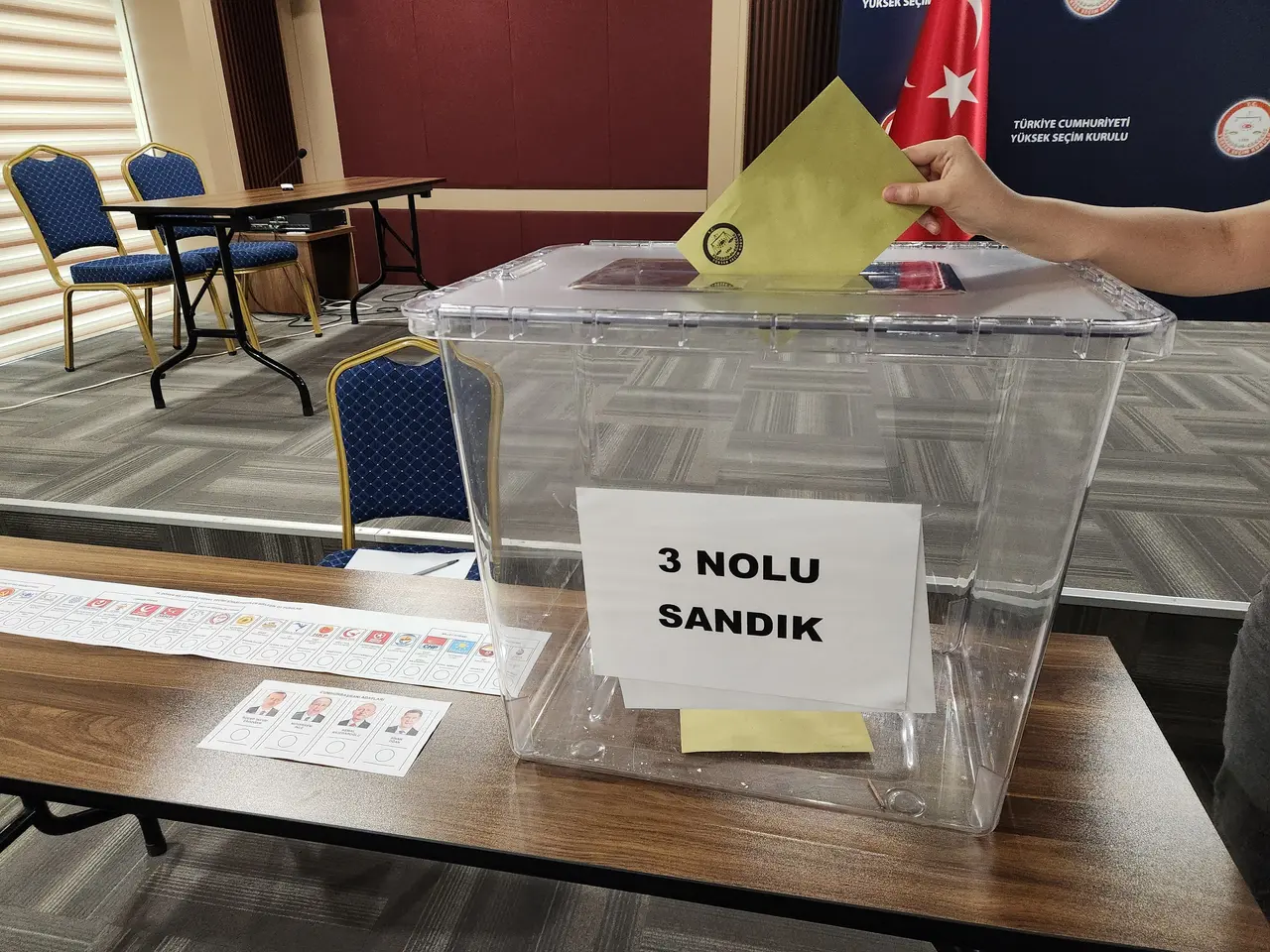
With Rhineland-Palatinate's state election just under five weeks away on March 22, an increasing number of municipalities are opening absentee voting offices, allowing voters to cast their ballots early. Ballot papers have now been printed, and absentee voting is gradually becoming available across the region, from the Westerwald to the Southwest Palatinate.
In the state capital of Mainz, absentee voting documents began shipping last Friday, and the city's absentee voting office in the Stadthaus will open this Tuesday (February 17). The city of Trier announced that all election materials have been printed, with its absentee voting office set to open on February 23—one week after Rose Monday. The first absentee ballots are expected to be mailed out by midweek.
No Uniform Timeline
Koblenz moved faster, opening its absentee voting office as early as February 9. Since then, eligible voters in the Rhine-Moselle city have been able to request absentee ballots or cast their votes directly on-site. In Ludwigshafen, the first absentee voting documents have already been sent out, with an office also scheduled to open on February 23, mirroring Trier's timeline.
There is no standardized schedule across the state. A key prerequisite was the approval of party lists by the State Electoral Committee, which took place on January 6. With no objections filed, all candidates were finalized after the mandatory waiting period—clearing the way for ballot printing. Once the ballots are ready, municipalities can begin distributing absentee voting materials.
Read also:
- American teenagers taking up farming roles previously filled by immigrants, a concept revisited from 1965's labor market shift.
- Weekly affairs in the German Federal Parliament (Bundestag)
- Landslide claims seven lives, injures six individuals while they work to restore a water channel in the northern region of Pakistan
- Escalating conflict in Sudan has prompted the United Nations to announce a critical gender crisis, highlighting the disproportionate impact of the ongoing violence on women and girls.